3 Common Oversights, Plus Tips to Winterize Your Sprinkler System
Temperatures are already starting to dip across the country, which means your building’s fire sprinkler system may soon be at risk. Wet and dry systems, plus any exposed pipes in unconditioned spaces, are all vulnerable to freezing.
Cold weather failures can be catastrophic, causing extensive water damage, system downtime, and even putting building occupants at risk. At Sciens, we’ve seen how winter catches many facilities off guard. Let’s walk through what facility and maintenance teams can do now to avoid a mid-winter emergency.
Common Oversights in Winter Prep
The most common winter-related failures stem from issues that are entirely preventable.
-
Low Point Drains Not Emptied Regularly
Dry sprinkler systems naturally collect condensation in auxiliary drains (also known as low point drains). These need to be emptied monthly or even weekly, as outlined in NFPA 25. If ignored, water accumulates, freezes, and can block or rupture the line, taking the system out of service just when you need it most.
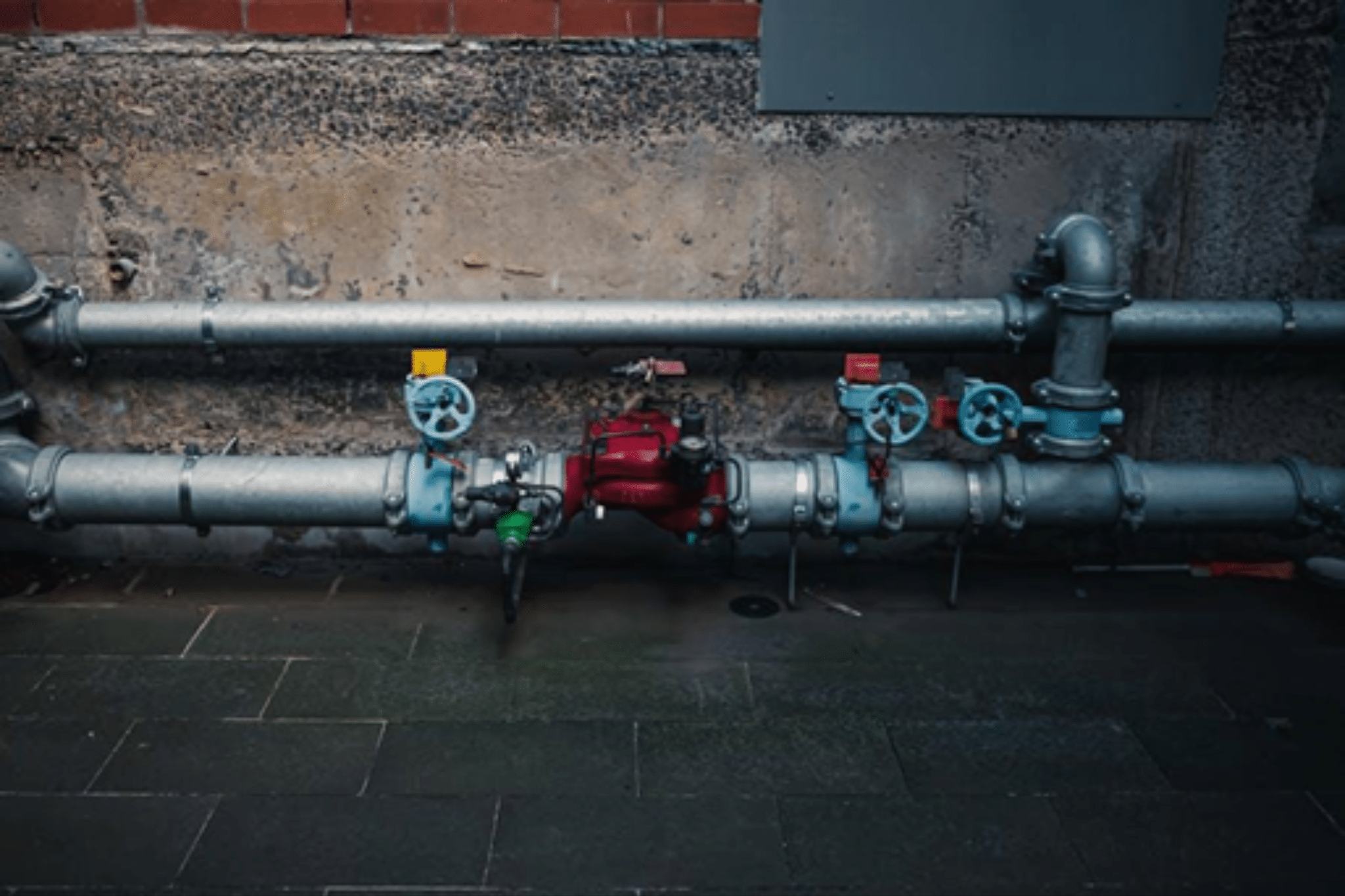
To drain, the top valve should be closed and the bottom valve opened to remove accumulated moisture. Once the water is drained, we close the bottom valve and open the top valve again. Need assistance? Contact Sciens for any questions or guidance your facility may need.
-
Forgotten Antifreeze Loops
Some wet systems in cold zones rely on antifreeze loops. But if the antifreeze solution is old, diluted, or untested, it might not provide adequate freeze protection. Periodic testing and replacement, if necessary, is key to weathering the upcoming winter.
-
Overlooking the Building Envelope
Any change to a building’s heating, ventilation, or insulation strategy can leave piping vulnerable. For example, unsealed attic spaces or exterior vents inadvertently left open can drop temperatures enough to freeze “normally heated” system components.
Best Practices for Winterization
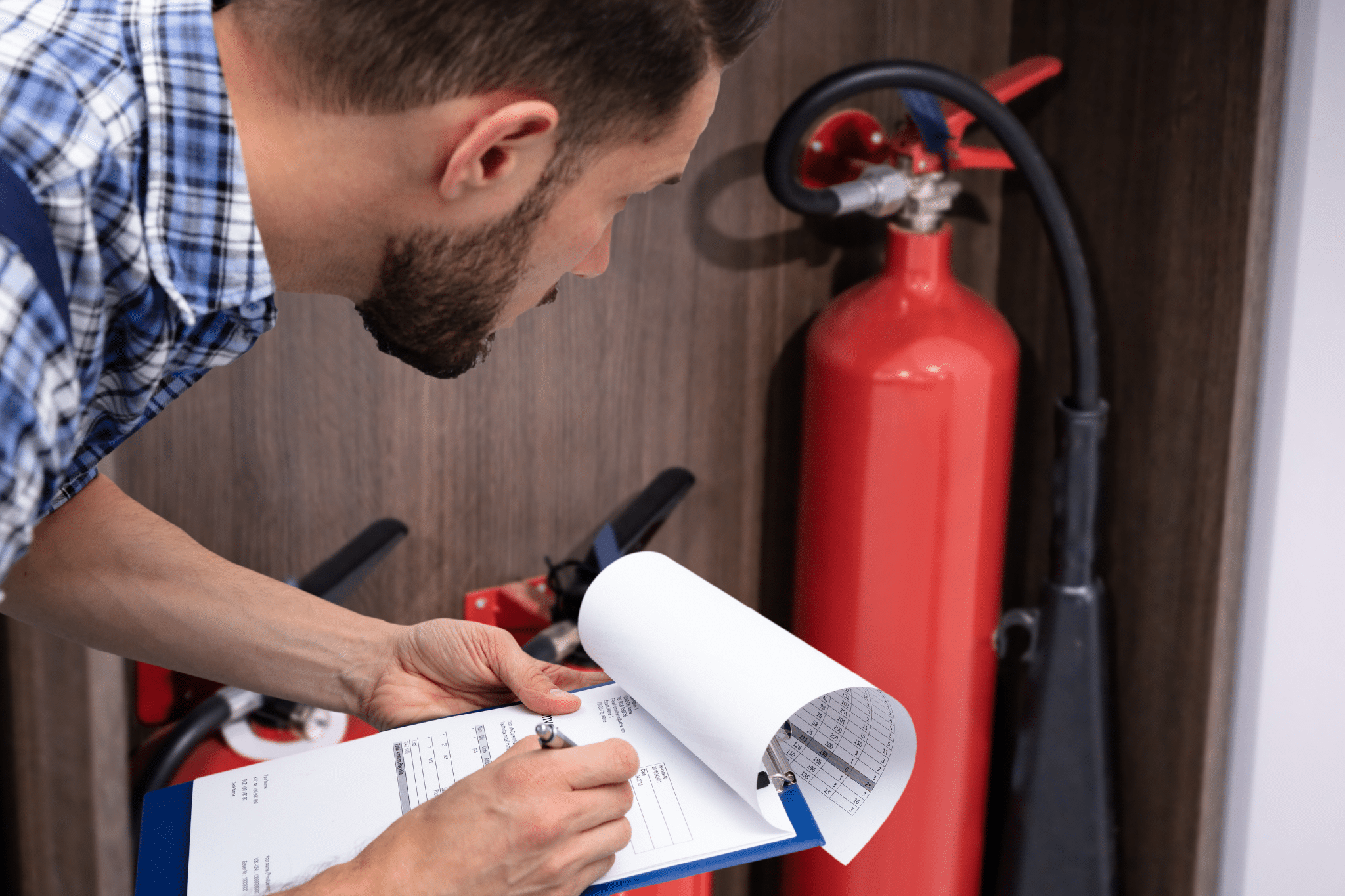
Start early. By the time the first freeze hits, it may already be too late. We recommend starting walkthroughs in September or October. During these inspections, Sciens will:
- Check all exposed piping, including attic and exterior areas.
- Verify that sprinkler piping is covered in insulation.
- Confirm riser is properly heated.
- Drain all low points in dry systems.
- Inspect valve enclosures and ensure they are sealed and weatherproof.
In colder regions, avoid high-volume water flows from hydrants and fire pumps past November. Once freezing conditions set in, any residual water that remains in aboveground piping can become a liability.
Code Requirements to Keep in Mind
NFPA 25 mandates monthly draining of auxiliary drains and ongoing maintenance of fire sprinkler systems. While there is no separate “winterization code,” the standard clearly requires that systems be maintained in an operable state year-round.
Documentation isn’t always enforced by AHJs, but having a clear record of winterization efforts can provide critical support in insurance or liability claims.
What Happens If You Don’t Prepare?
The consequences of inaction include:
- Frozen Low Point Drains: The #1 failure point. Ice blockages can stop a system from activating in a fire or cause pipes to burst outright.
- Reactive Repairs: Once damage is done, you’ll likely face expensive emergency service, pipe replacements, and fire watch costs.
- Liability Risks: If your system fails during an incident and documentation is lacking, insurers may challenge your coverage.
Helpful Technologies
Low-temperature alarms are one of the most underutilized safeguards available today. When tied into a fire alarm system, these sensors can alert you to dangerously low temperatures before a freeze causes damage. They’re especially useful in remote, less-frequently monitored parts of your building.
While there’s no revolutionary tech on the horizon, the tools already available, such as remote sensors and detailed inspection plans, are more than capable when used consistently.
Don’t Wait for the First Freeze to Hit
Winter doesn’t have to mean uncertainty for your fire life safety systems. Sciens helps facility teams across the country proactively protect their fire sprinkler infrastructure, no matter the season.
Let us support your winter readiness with inspections, maintenance, and proven strategies for system longevity. Contact Sciens here to connect with your local division and schedule your winter prep service today.