Why code compliance is the starting point, not the standard.
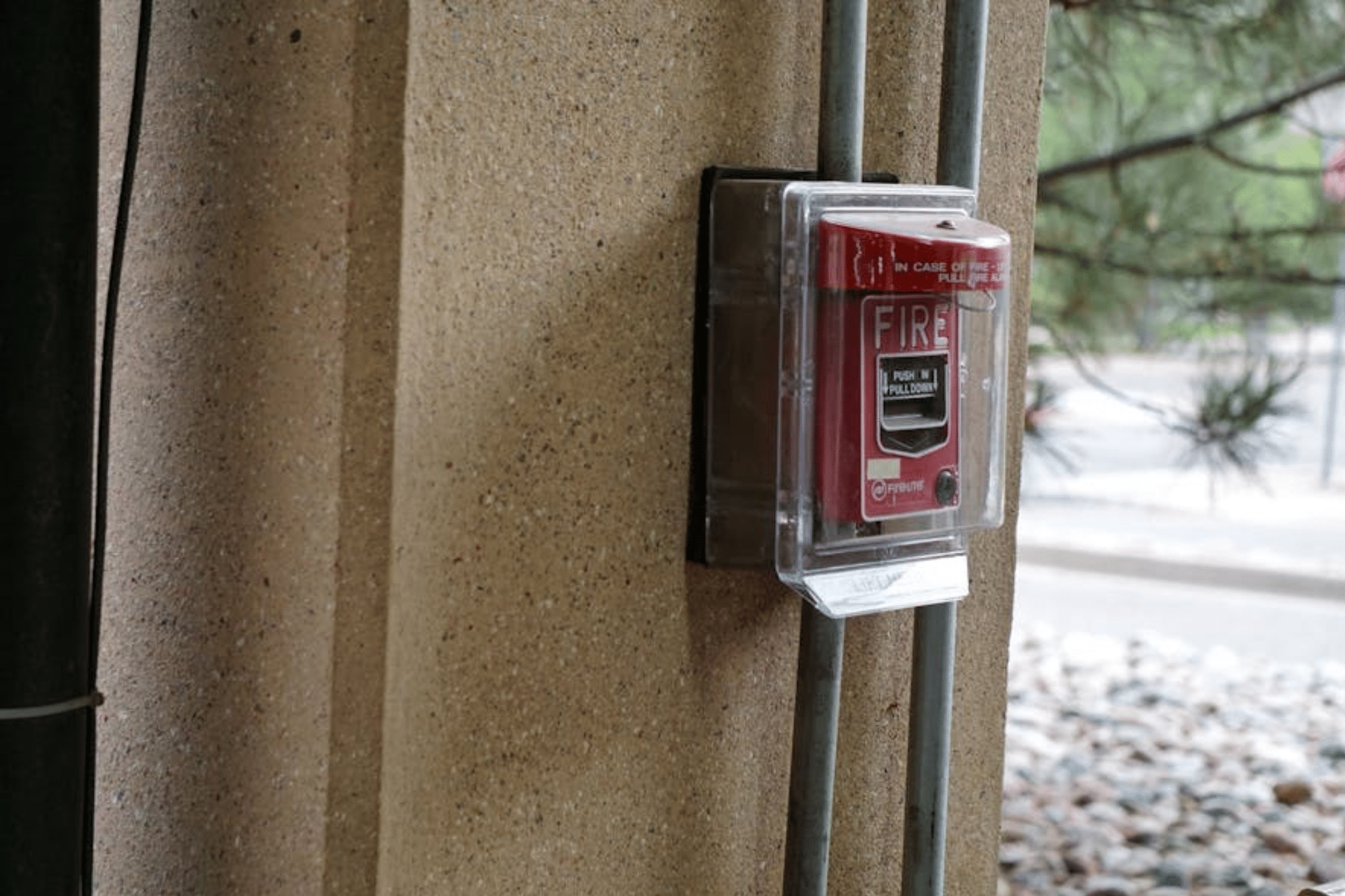
Most facilities can confidently say they have fire and life safety systems in place. Their fire alarm passes inspection. Their sprinkler system is tested, and monitoring is in place. From a compliance standpoint, all the right boxes are checked.
But emergency readiness is a different standard altogether.
When an incident occurs, the true measure of preparedness is whether the right information reaches the right people fast enough to drive effective action. Inspections and testing are essential, but they’re just the baseline.
Let’s Define “Emergency-Ready”
What do we really mean by “emergency ready”? There are multiple layers at play:
- External responders receiving and acting on alarm signals
- Internal teams coordinating response and evacuation
- In-building occupants understanding what to do in real time
If the system only confirms that an alarm occurred, but not where, why, or what should happen next, that’s not “emergency ready.” Your fire and life safety system needs to provide all critical information to every necessary party, so no questions are left unanswered.
Inspections & Testing Are the Floor, Not the Finish Line
Routine inspections and maintenance are crucial, no doubt. But what they don’t address is how effectively the system performs under real-world conditions.
Emergency readiness depends on decisions made long before an incident, including:
- How the system is programmed
- What information is captured and shared
- How different systems interact during an event
A code-compliant system can still leave responders guessing and occupants confused if it isn’t designed with operational realities in mind.
Monitoring Needs Custom Programming
Most fire alarm systems follow a similar path: activation, monitoring, and dispatch. The difference is in the intelligence of the information being delivered.
For multi-building campuses, healthcare facilities, or large MDUs, advanced programming can provide dispatch with specific, actionable details, such as building number, floor, zone, or initiating device. This information reduces response time and helps responders arrive ready to act.
This is what “extending” a system really means: not reinventing dispatch, but making the information more precise and usable.
Integration Is Where Emergency Readiness Becomes Real
For a smooth, seamless response during an emergency, your technology systems need to act in sync, not in separate silos. In practice, this might look like:
- Fire alarm and sprinkler monitoring working as a unified system
- Access control releasing doors once an alarm is triggered
- Mass notification delivering clear instructions to occupants
- Intelligent detection identifying issues earlier in high-risk environments
These smart capabilities already exist in modern systems. The value comes from applying them appropriately, based on how your facility is actually used.
Every Facility Needs Its Own Approach
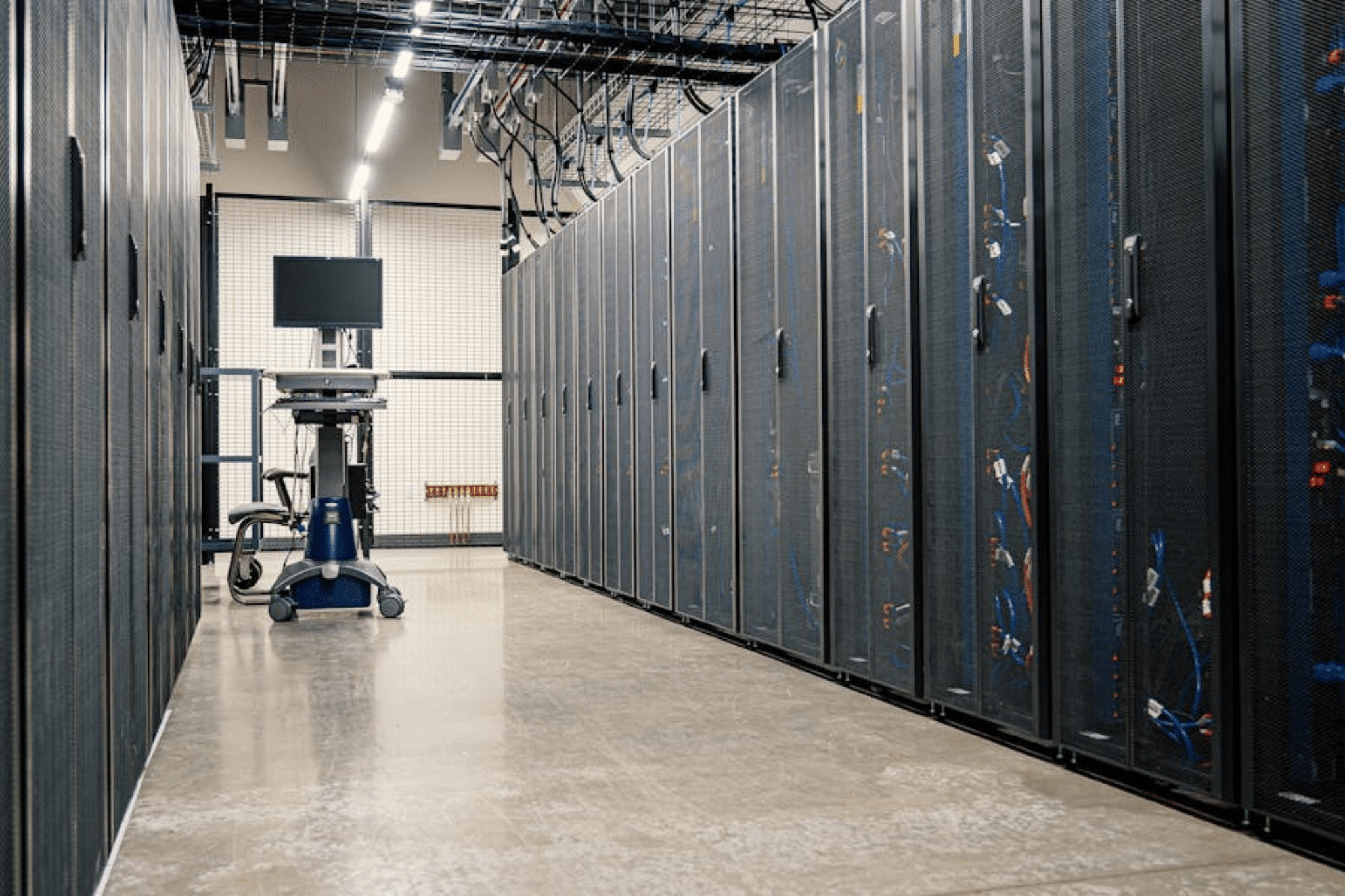
A data center, aircraft hangar, school campus, and hospitality property do not share the same risks — so why should they have the same system design? Emergency planning must account for building layout, occupancy, and response expectations.
This is where a consultative partner matters. Emergency readiness isn’t about adding technology for its own sake. It should align detection, programming, and integration to the realities of your unique environment.
For example, an aircraft hangar may need flame recognition technology, while a data center benefits from Early Smoke Detection systems. And on school campuses, options like gunshot and firearm detection can integrate with security and fire systems to proactively protect students and staff.
If you’re evaluating whether your current fire and life safety systems truly support emergency response (not just compliance), Sciens is here to help. Contact our national fire and life safety experts today for a custom quote.