The Role of Nurse Call in Modern Healthcare: Efficiency, Safety, and Innovation
While it may sound like a bold claim, when your nurse call system is up to date, it can positively improve almost every facet of your hospital or healthcare facility. Your patients’ satisfaction goes up hand in hand with reimbursement revenue and staffing retention, which are critical to a well-run hospital.
So, given today’s advanced communication technologies, modern nurse call systems should no longer be treated as mere call bells. Nurse calling should be viewed as a critical operational platform — and one that directly correlates to your facility’s success. Here’s how.
Patient Satisfaction Is a Revenue Issue (Not Just a Care Metric)
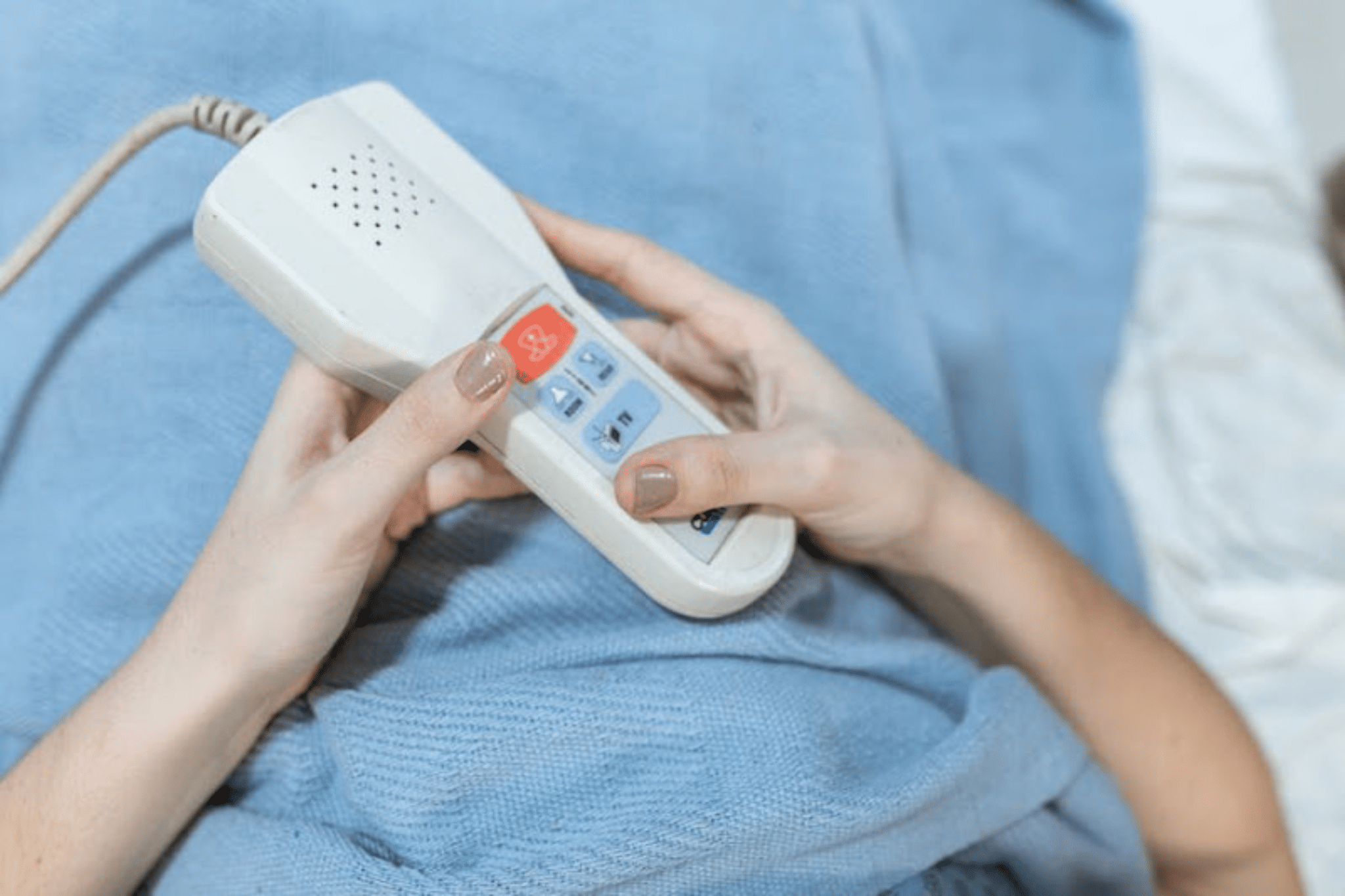
When a patient is waiting for their nurse to relieve their pain or help them up, three minutes can feel like half an hour. But outdated nurse call systems make it too easy for pings to go missed.
We understand why it happens — nurses are extremely busy and may not have a chance to check the central panel or the front desk. They may see a blinking light and think, “I’ll check on her soon anyway. Let me finish with this other patient.”
Oftentimes, an aide or CNA may respond to a call when a patient really needs their RN, or vice versa. Not only does this waste your staff’s time and labor, but it also leads to slow resolutions and can potentially harm a patient’s health.
Patient satisfaction isn’t just a soft ‘nice to have.’ If discharged patients are readmitted within 30 days, facilities can lose up to 100 percent of reimbursements from insurance companies. Patients may return because they missed necessary care steps due to unanswered nurse calls.
Signs Your Call System Is Outdated
Outdated nurse calling systems only add to the strain of an already tough job. Your nurse calling systems need an upgrade if this sounds like your facility:
- No Routing Capabilities: If your system only sends alerts to a central panel or front desk, nurses will easily miss calls. Calls should be sent directly to mobile devices with two-way communication between the nurse and patient.
- Lacks Detailed Information: Older calling systems often lack details like the location origin of the call, the type of request (emergency or assistance), and how long the call has been waiting.
- Manual Logging: Incident tracking done manually is often less accurate and more time-consuming for staff, adding to their stress. Digital records can occur instantly, keeping a log of when patients called and why.
The risk of an outdated system? If a patient can’t communicate quickly with their nurse, they may try to get out of bed alone — and fall. In fact, every year, around 700,000 to 1 million U.S. patients fall in the hospital, leading to around 250,000 injuries and 11,000 deaths. We don’t say this to scare anyone, just to highlight the very real risks of utilizing an outdated patient call system.
What Modern Nurse Call Systems Should Be Capable Of
Modern call systems shouldn’t be limited to levers and blinking buttons. A smart, modern calling system ideally includes:
- Two-way audio communication to clarify needs quickly
- Digital network with in-room devices for automated reminders (rounding, medication schedules)
- Automated escalations if calls aren’t answered
- Integration with mobile devices and broader clinical systems
Modern nurse call systems should be able to set automated reminders tied to physician orders. For instance, after a patient receives medication, nurses can receive an alert on their mobile device after fifteen minutes to check on them. Intelligent, integrated communication reduces the risk of missed follow-ups and creates a healthier, safer setting for patients.
Improve Staffing & Workflow Decisions
It’s expensive to lose your nurses. In fact, replacement costs can be three times a nurse’s annual salary — so it’s crucial to keep your staff happy and inclined to stay.
But outdated call systems lead to communication delays, chaos, and ultimately, nurse burnout. When your nurse call system can accurately field calls to the right person and make it easier for nurses to communicate with their patients, they won’t feel like they need to be in ten places at once.
Modern calling systems can support accurate shift assignments with rooms mapped to specific staff, and devices can be assigned to each staff member or room block. Escalation workflows will automatically flag unanswered calls, and an updated calling system takes control of your operations, standardizing responses instead of relying on staff heroics.
What Does a Nurse Call Investment Look Like? A Practical Cost Range
So, what will a new nurse call system cost your facility? The investment will depend on the level of care provided and integrations necessary across devices and systems.
Lower-acuity, skilled living environments can estimate $700 to $1,100 per bed, while hospital environments with more complex integration needs may run $2,800 to $4,500 per bed. For a more accurate quote, please contact Sciens Building Solutions.
The Bottom Line: Better Care, Efficiency, and ROI
Many leaders miss the connection between nurse calling systems and patient satisfaction scores, staff morale, and insurance reimbursements. Consider if your nurse calling setup is truly supporting patient safety with timely responses, and if staff workflows are working the way they should.
If not, Sciens is here to help. We’ll assess your current nurse call capabilities and modernize your system to deliver better care, a stronger hospital reputation, and increased revenue.