Rethinking Fire Protection for Mission-Critical Facilities
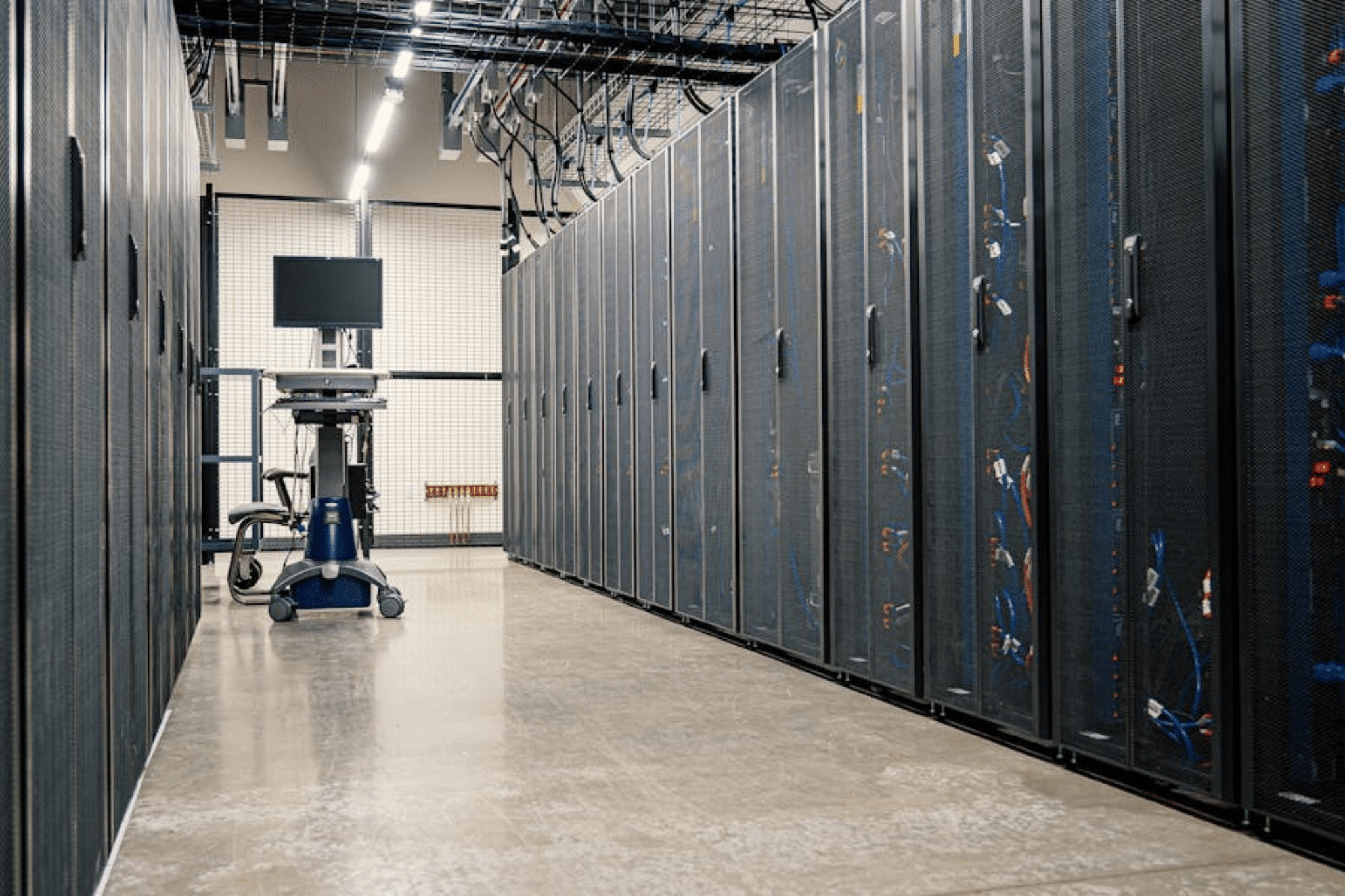
Data centers present a radically different fire risk profile than traditional commercial environments. You’re not protecting just drywall and desks — you’re protecting dense racks of servers, cables, plastic housings, lithium-ion batteries, and high-value electronics.
These materials behave differently under heat and smoke conditions, and they’re far more sensitive to corrosive byproducts from combustion. In fact, smoke and soot often cause more damage than flames. A minor electrical fault or overheating component can rapidly escalate, not into a blazing fire, but into a catastrophic outage driven by contamination and equipment failure.
Standard suppression methods, especially water-based ones, are often as damaging to data centers as the incident itself. That’s why data centers require a custom approach to fire prevention and suppression.
Minimum Code Compliance Isn’t Meant for Data Centers
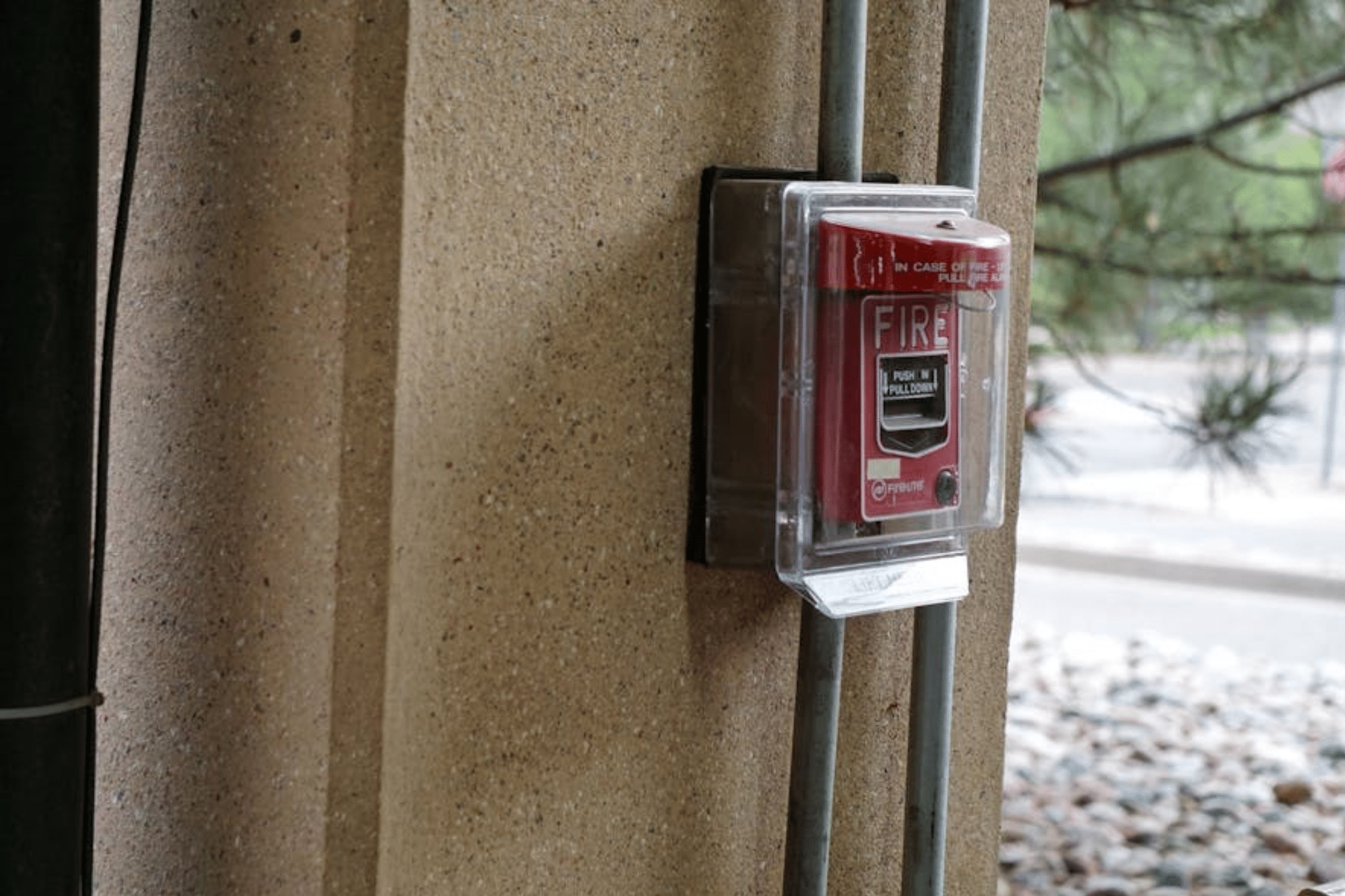
Fire codes serve an essential purpose. But they were never designed with data centers in mind. Most codes prioritize life safety and basic property protection. They assume failure is acceptable, as long as evacuation is possible and fire spread is limited.
In a mission-critical facility, that’s not enough.
Downtime, even for a few minutes or hours, can translate into thousands or millions in lost revenue, SLA penalties, reputational harm, or even irrecoverable failure. Code-compliant systems typically react only after a fire has escalated. By then, it’s too late.
What’s needed is proactive protection: early fault detection, targeted suppression, and integrated systems that work to prevent escalation entirely. Think of it this way: code compliance is an off-the-rack solution. Data centers need a custom fit.
The True Cost of Downtime
For hyperscalers, downtime can cost hundreds of thousands (if not millions) per hour. Even smaller colocation or edge facilities may suffer irreparable losses when services go dark. We know a business that lost millions from downtime caused by an accidental halon gas discharge.
While some operators may delay upgrades due to budget constraints, the financial exposure from even a single incident often exceeds the upfront investment in a robust fire protection solution.
Early Detection & Clean Suppression: A Better Approach
Because data centers often have high airflow from HVAC and raised floors, standard smoke detectors often aren’t enough. Instead, technologies like VESDA (Very Early Smoke Detection Apparatus) can detect minute particles to trigger a response before ignition occurs.
Clean agent suppression systems, such as NOVEC 1230 or IG-541, are designed to extinguish fires without harming electronics. These agents leave no residue, require no cleanup, and deploy quickly without displacing oxygen.
In data centers, fire protection strategies should include:
- Early warning through high-sensitivity detection (such as VESDA)
- Zoned suppression for targeted containment
- Clean agents to avoid damage to servers and circuitry
- Integrated alarms, controls, and monitoring
- Redundant systems for uninterrupted operation
- Risk-informed design based on operational priorities
Integration: Connecting Detection, Suppression & Monitoring
In complex facilities like data centers, fire protection systems can’t operate in silos. Integration is what guarantees a coordinated, intelligent response. Integrated systems can automatically shut down airflow, isolate affected zones, and trigger suppression only where needed.
Who Determines Protection Standards?
Local authorities enforce the minimum. But data center operators, engineering consultants, and insurance carriers are the ones who define what protection should look like.
Insurance often gets involved with data centers earlier than many realize, starting at site selection and design review. Their requirements influence choices around detection, suppression, structural resilience, and even physical site risk factors like flood or wildfire exposure.
The most forward-thinking operators take a risk-informed approach, working with expert partners to go beyond code so their fire systems match the true value and vulnerability of what’s inside.
Partner With Sciens for Mission-Critical Protection
Protecting uptime and digital infrastructure demands more than a basic code-compliant fire system. You need a resilient, risk-informed strategy built specifically for your mission-critical environment.
Sciens partners with data center operators across the U.S. to design and service advanced fire protection systems featuring clean suppression, early detection, and integrated controls. We understand that your business continuity is on the line, and we design with that in mind.
Let’s talk about what protection looks like beyond the code.