Every 5 Years, the NFPA Requires A Comprehensive Evaluation. Are You Overdue?
You’re probably aware that fire sprinkler systems require weekly, monthly, quarterly, semi-annual, annual, and three-year inspections and testing to remain compliant and ensure proper operation. You are also likely already under contract with a fire protection provider or sprinkler contractor who performs these inspections and verifies that your system is functioning properly.
But these inspections only account for external checks of what’s visible from the outside. And unbeknownst to many facility managers and building owners, the NFPA requires commercial sprinkler systems to be internally inspected every five years.
You may be wondering what the difference is between the annual inspection and five-year inspection, and why your annual inspection doesn’t ‘count’ towards it. These are two different inspections that are both critical to meeting compliance requirements and keeping your building safe. Let’s take a closer look.
You’re Not Alone — 5-Year Inspections Are Often Overlooked
We understand that building owners, especially for small businesses, don’t want to spend on ‘unnecessary’ inspections. If your sprinkler system seems to be “working fine,” and if there hasn’t been an obvious system failure, it’s easy to assume that you don’t need another inspection.
But without an internal assessment of the pipes, there is no way to know whether your fire sprinkler system is actually working properly. If a fire occurs and the sprinklers fail to activate, you don’t have to imagine how disastrous the consequences will be. And if it’s later revealed that your system wasn’t up to code? Insurance claims may swiftly be denied.
Annual vs. Five-Year Inspections: What’s the Difference?
You may be thinking, “I just had my fire sprinkler system inspected.” But was it the annual check-up or a five-year inspection? Here’s how you can know the difference:
- Annual Inspection: Checks the system for external physical damage. Inspects water flow alarms, valves, and confirms proper number of sprinkler heads.
- Five-Year Inspection: An internal, comprehensive assessment. Involves opening the flushing connection and removing a sprinkler end to check for foreign material. Your inspector will evaluate hydrostatic pressure, internal pipe condition, and proper water flow.
The National Fire Protection Association (NFPA) mandates both the annual and quinquennial (every five years) inspections. Neglecting the five-year inspection means not knowing whether your pipes could be blocked or corroded. If it’s been over five years since your pipes were internally inspected, now’s the time to do it.
What Causes a Faulty System?
Fire sprinkler systems can fail the five-year inspection due to internal corrosion or debris buildup, causing clogged pipes and stalled water flow. The most common obstructions in fire sprinkler systems are:
- Rust and scale from corrosion
- Mineral deposits
- Debris or sediment from water supply
- Sand
- Gravel
- Insects and crustaceans
- Mussels (entering as larvae)
Yes, creatures could be living inside your fire sprinkler system, blocking water flow and preventing sprinklers from activating when you need them most.
What the Five-Year Inspection Includes
Here’s what you can expect from your five-year sprinkler system inspection:
- Internal piping inspections (at least 50% of the system)
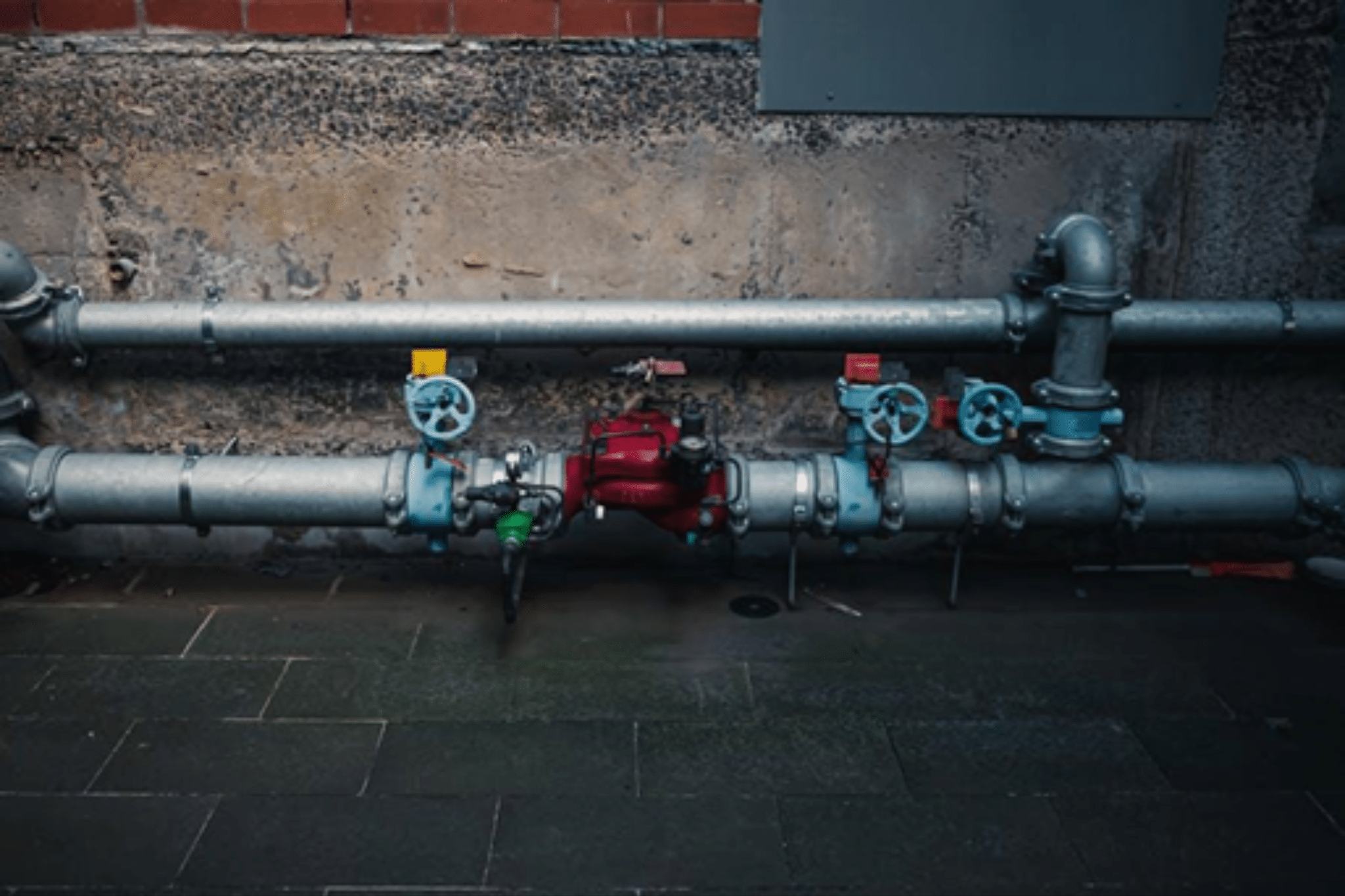
- Valve inspections and condition checks
- Water pressure testing
- Flow testing for standpipe systems
- Gauge replacement or calibration
The NFPA requires up-to-date tags and records demonstrating that your inspections have been completed. If you’ve recently purchased a facility or if management has changed, check tags on the valves or contact Sciens if you’re unsure if you’re due for a five-year inspection.
The Consequences of Non-Compliance
The most serious consequence of a missed inspection is failure during an emergency. If a fire does occur, and anyone is hurt, or property is damaged, you may also face issues filing insurance claims with a non-code-compliant sprinkler system.
Increasingly, more jurisdictions are implementing tracking platforms to enforce facility inspections. If this exists in your city, county, or state, you may be flagged for non-compliance from your local AHJ, too. Proactive maintenance and regular inspections can prevent this.
Are You Due for an Inspection?
If you’re unsure if your fire sprinkler system meets NFPA requirements, Sciens Building Solutions is here to help. Even if you’re long overdue, we’re simply here to help you create a safe environment and get your business’s code compliance back on track.