Cell Dialer
Keep Your Property Connected and Code-Compliant with Cellular Dialer Fire Alarm Communications
In fire protection, communication is everything. When an alarm activates, your system needs a fast, reliable way to contact a central station—and ultimately, dispatch emergency responders. Modern fire alarm communication has moved beyond traditional phone lines. Cellular dialers deliver dependable connectivity, faster alerting, and alignment with current fire codes to ensure your facility’s life safety systems perform when every second counts.
Why Fire Alarm Communication Matters
Rapid, Reliable Emergency Signaling
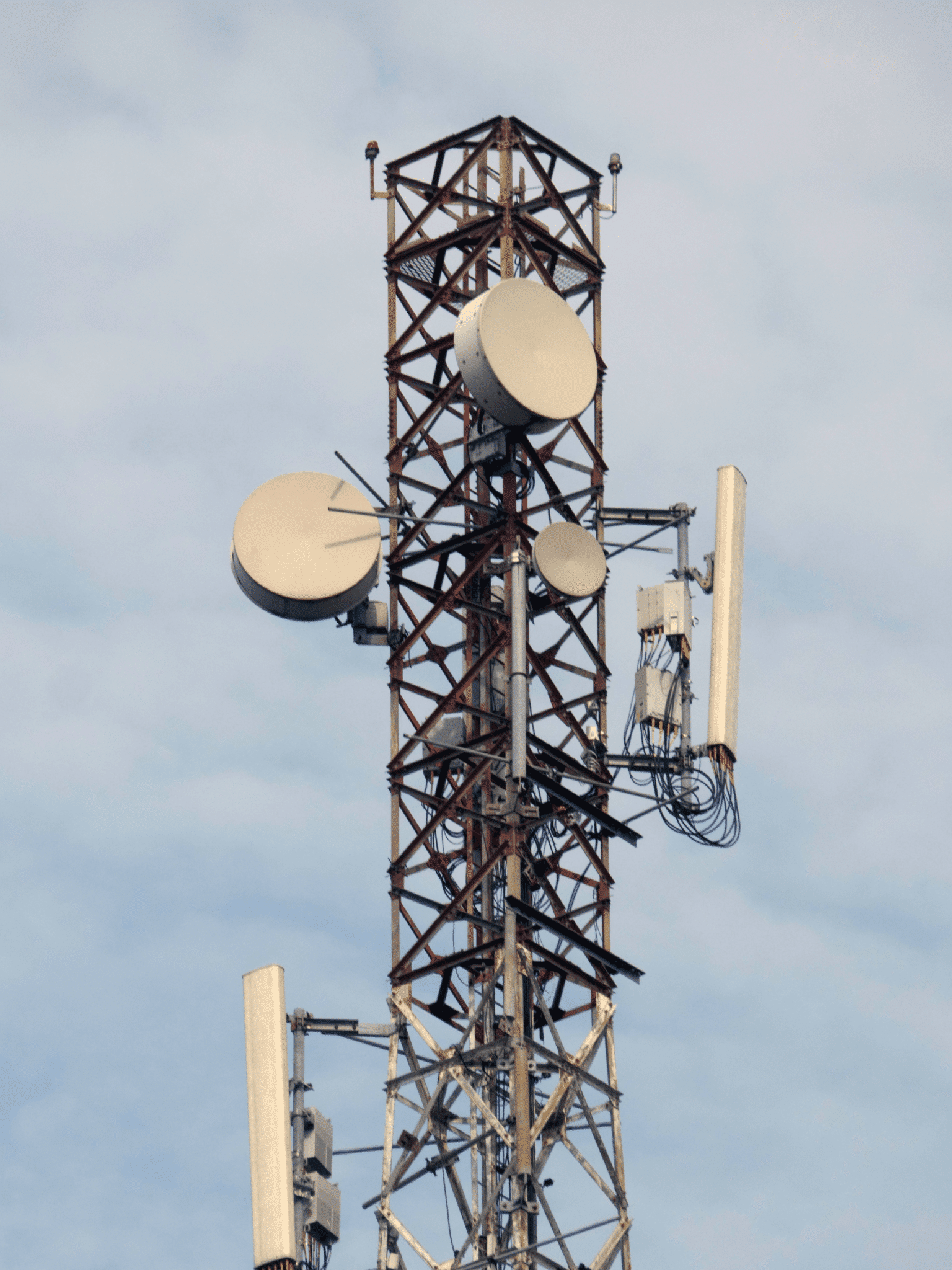
When smoke or heat is detected, delays in notification can mean the difference between containment and catastrophe. Legacy landline telephony transmits signals via outdated analog infrastructure, often taking 30–90 seconds—or more—to reach a monitoring station. Cellular dialers transmit alarm signals almost instantly using digital networks, dramatically reducing alert times and supporting faster emergency response.
Landlines Are Becoming Obsolete
Traditional copper phone networks are aging and not guaranteed to be maintained by telecom providers. This decline has made landlines increasingly unreliable as a fire alarm communication path, especially during adverse conditions or service outages. Cellular dialers leverage contemporary cellular networks with multiple redundancies, offering far greater operational reliability.
Stay Aligned with Fire Code Requirements
The National Fire Alarm and Signaling Code (NFPA 72) has evolved in recognition of modern communication technology. Today, landlines are no longer acceptable as the primary communication method for fire alarm systems—cellular or other digital paths are required, with landlines only permitted as a secondary or backup connection where still allowed. Choosing cellular dialers helps ensure your system remains compliant with current life safety standards.
Cost-Effective Over Time
While installing a cellular dialer carries an upfront cost, it typically delivers significant long-term savings compared to maintaining dedicated landline circuits, which in commercial settings often require multiple lines and recurring fees. Many facilities realize ROI in less than a year due to reduced monthly communications expenses.
Explore Solutions

Cellular Dialer Advantages at a Glance
Faster Alarm Transmission
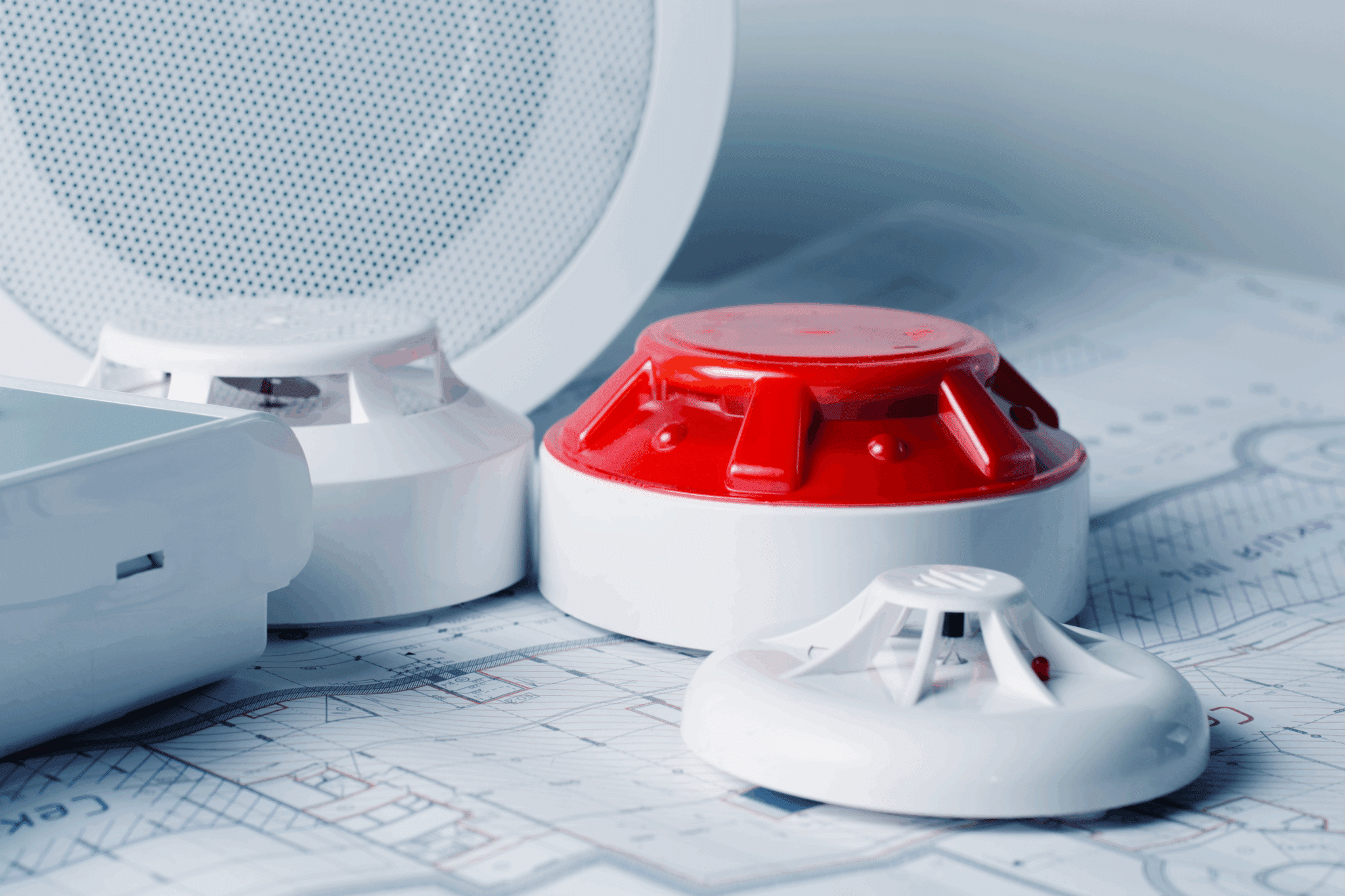
Signals are sent digitally over cellular networks—often as quickly as a text message—bypassing analog landline delays.
Greater Reliability and Redundancy
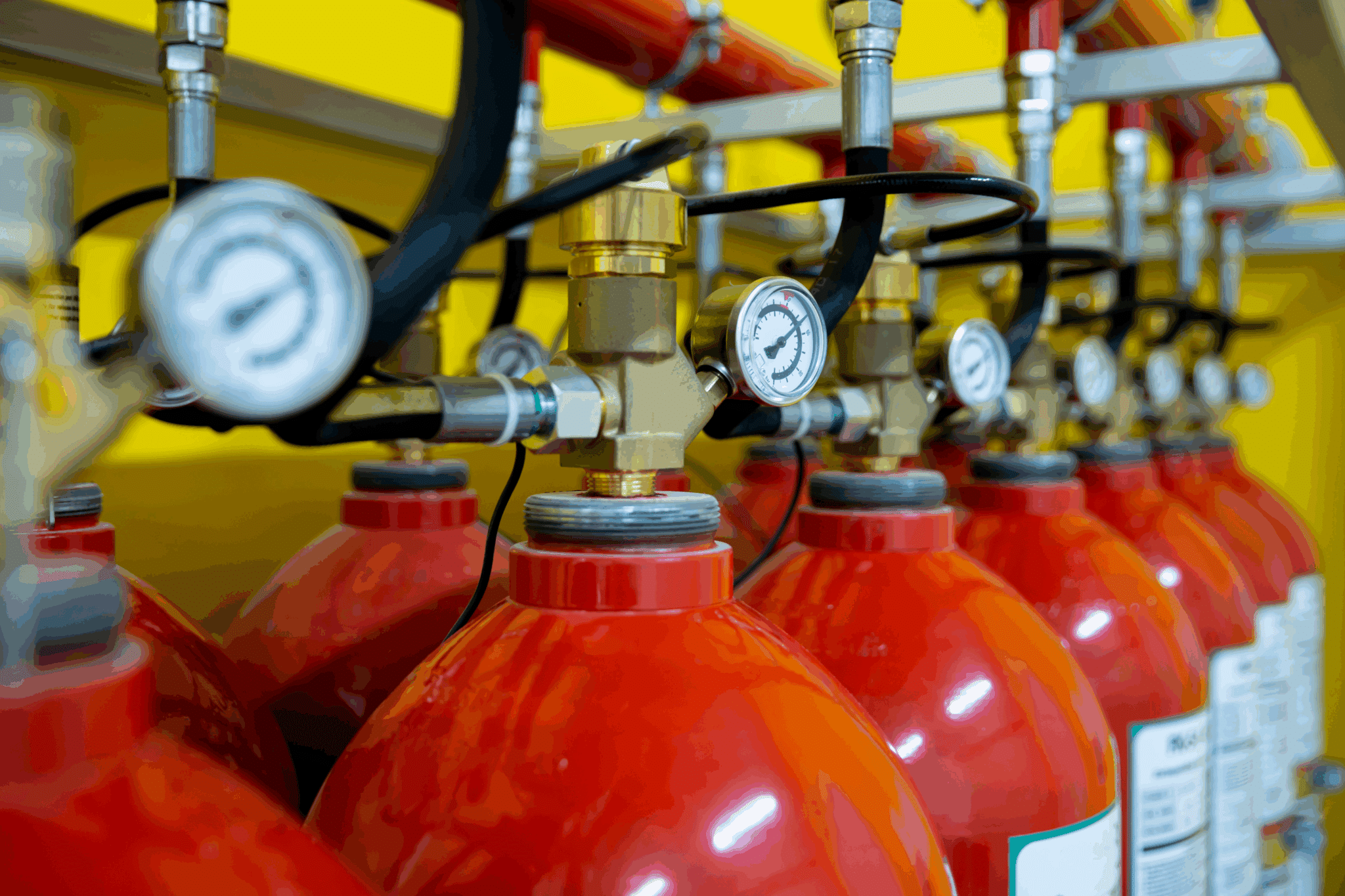
Networks built on cellular infrastructure are more robust and less prone to single-point failures, especially in weather events or infrastructure outages.
Easier Upgrades and Testing
Professional installation includes signal testing and antenna optimization to ensure strong connectivity for your environment.

Future-Proof Compliance
Meets or exceeds modern code requirements, helping keep your fire alarm communications aligned with regulatory expectations.
Long-Term Savings
Eliminate costly dedicated phone line fees while benefiting from predictable cellular service costs.
How Sciens Helps
At Sciens Building Solutions, we evaluate your existing fire alarm setup and recommend the right communication upgrade strategy for your facility. Our services include:
- Assessment of current fire alarm communications
- Cellular dialer selection and installation
- Signal testing and system validation
- Code compliance guidance and documentation
- Ongoing support and monitoring solutions
Whether you manage a commercial property, educational facility, healthcare campus, industrial complex, or multi-tenant building, a cellular dialer is a critical component of a modern, reliable fire safety system.
Related Case Studies

See How We Can Help Your Business
Get in touch with our team of experts to discuss how we can help you improve efficiency, resilience, and sustainability in your data center.
888-838-4330Request a Quote
We offer comprehensive solutions from fire suppression, security, communications to electrical. Contact us and learn how we can help you with your next project.